Table of Contents
ToggleUnderground drains are the unsung heroes of your home’s plumbing system, quietly whisking away wastewater and keeping your foundation dry. Most homeowners don’t think about them until something goes wrong, a slow toilet, a backed-up sink, or worse, sewage pooling in the yard. Unlike visible indoor pipes, underground drains work out of sight, which means problems can fester before you notice them. Learning how to maintain, diagnose, and clean underground drains saves money, prevents property damage, and keeps your home running smoothly. This guide walks you through what you need to know about underground drain cleaning, from spotting early warning signs to deciding whether you can DIY or need a professional.
Key Takeaways
- Underground drain cleaning prevents expensive property damage by clearing blockages before sewage backups, foundation damage, and yard saturation occur.
- Early warning signs like multiple slow drains, frequent backups, gurgling sounds, and wet lawn patches indicate your underground drains need professional attention.
- DIY underground drain cleaning using a plumbing snake works for minor clogs near the cleanout, but severe backups, cracked pipes, tree root intrusion, and access issues require a licensed professional.
- Hydro-jetting is a powerful professional service that uses 3,500–4,000 PSI water pressure to remove grease, mineral deposits, and tree roots, but can damage older pipes and should be left to experts with CCTV inspection equipment.
- Preventing underground drain problems costs far less than repairs—avoid flushing non-flushables, dispose of grease properly, use drain strainers, plant trees 10+ feet from sewer lines, and schedule inspections every 3–5 years.
- Professional sewer line services range from $150–$300 for snaking to $400–$800 for hydro-jetting, with major pipe replacement exceeding $3,000–$25,000 depending on depth and materials.
What Are Underground Drains and Why They Matter
Underground drains form the backbone of your home’s drainage system. These buried pipes, typically made of PVC, cast iron, clay tile, or concrete, run from your house foundation to the municipal sewer line or septic system. In most homes, they’re buried 2 to 4 feet below grade to avoid freezing and to stay out of the way of footings and utilities.
These drains collect wastewater from every sink, toilet, shower, and appliance in your home, then transport it away. Without them functioning properly, you’re looking at indoor backups, yard saturation, and potential structural issues. A clogged or cracked underground drain can allow groundwater infiltration, encourage tree root intrusion, or cause sewage to surface, all expensive problems if left unchecked.
Regular maintenance and timely cleaning prevent these failures. Most experts recommend having underground drains inspected every 3 to 5 years, especially if you live in an older home or notice recurring drainage issues.
Signs Your Underground Drains Need Cleaning
Catching underground drain problems early saves thousands in repair costs. Watch for these warning signs:
Multiple slow drains. If your toilet, shower, and sink all drain sluggishly, the problem isn’t local, it’s likely your main underground drain line. A single slow fixture usually means a trap clog: widespread slowness points underground.
Frequent backups. Sewage or water pooling in the lowest fixture in your home (often the basement toilet or shower) indicates a main line blockage. This is a red flag that demands immediate attention.
Gurgling sounds. When drains, toilets, or vent stacks make odd noises, trapped air and pressure changes suggest a partial blockage downstream. It won’t fix itself, clogs only grow.
Patches of wet or sunken lawn. If your yard has soggy spots, particularly in a line from the house toward the street, water (or sewage) is escaping underground. You may also notice unusually green grass or dead patches in a strip pattern.
Sewage smell outdoors. A persistent rotten-egg or raw-sewage odor near your yard or foundation means gases are escaping from a cracked or clogged drain.
Plumbing backups after heavy rain. If your drains back up during storms, the main line may be blocked or tree roots may be restricting flow. This is common in older systems.
DIY Methods for Underground Drain Cleaning
Before calling a plumber, you can attempt to clear certain clogs yourself. Success depends on the blockage type, location, and your comfort level.
Using a Plumbing Snake
A motorized plumbing snake (also called a drain auger) is your first tool for accessing underground lines. Hand-crank models cost $20–$50 and work for minor clogs near the cleanout: motorized versions run $100–$300 and handle deeper blockages.
Steps:
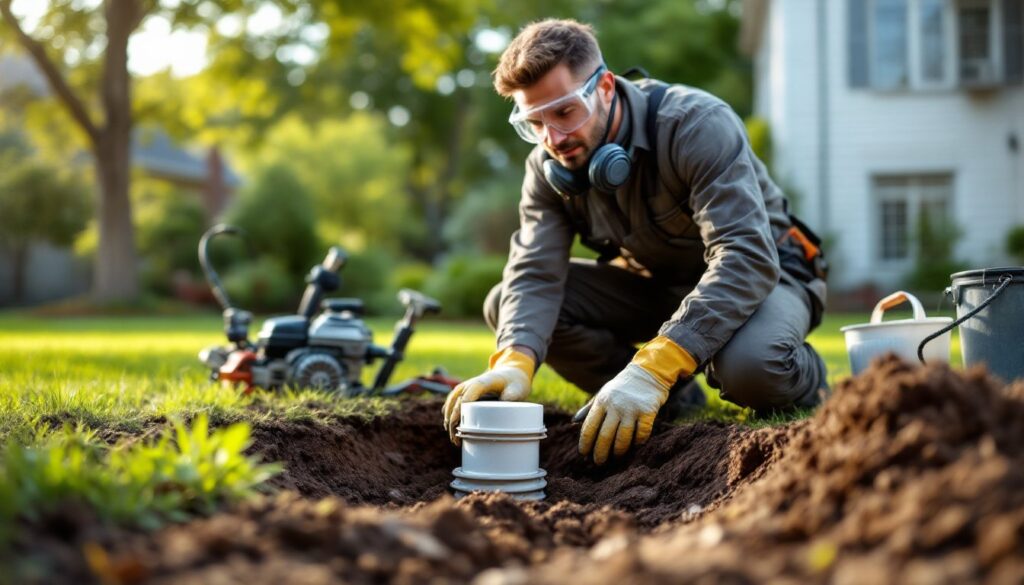
- Locate your main cleanout, a capped pipe at ground level (usually 4-6 inches wide) where the indoor plumbing meets the underground line. If you can’t find it, check near the foundation or where the sewer line emerges.
- Remove the cap with a pipe wrench: expect dirty water or sewage to spill out if the line is backed up.
- Feed the snake auger cable into the cleanout opening, pushing steadily as it encounters resistance.
- When you feel the clog, reverse the cable direction briefly to help break it up, then pull back slowly to retrieve debris.
- Flush the cleanout with a garden hose to clear loose material.
- Replace the cap and dispose of extracted debris appropriately.
Safety note: Wear heavy rubber gloves, safety goggles, and a respirator, sewage carries harmful bacteria and gases. Never put your hands down the cleanout opening. With proper home drain cleaning service guidance, even novices can handle this task, but if you’re uncomfortable or the clog doesn’t break, stop and call a professional.
Hydro-Jetting Basics
Hydro-jetting uses a pressurized water stream (typically 3,500–4,000 PSI) to blast through clogs and scour pipe walls. It’s more powerful than snaking and can remove grease buildup, mineral deposits, and tree roots, but it requires professional equipment most homeowners don’t own.
If you want to rent or attempt a smaller residential hydro-jet (1,500–2,500 PSI, from home-improvement stores), understand the limits:
- These weaker units work best for indoor drain lines and small cleanouts, not main sewer lines.
- Older pipes (clay tile, cast iron) can crack under high pressure, so inspect first.
- The high-pressure hose whips violently, improper handling causes injury.
- You’ll need to access the cleanout and position the nozzle correctly.
For most homeowners, hydro-jetting is best left to professionals who have CCTV cameras to inspect pipes before and after treatment. Professionals can identify whether your line can handle the pressure and target problem areas precisely.
When to Call a Professional
Certain situations demand a licensed plumber or drain specialist. Recognizing these scenarios prevents DIY disasters:
Repeated or severe backups. If a clog returns within weeks, the real problem is elsewhere, cracked pipe, structural belly (sagging section), or root intrusion. A professional uses CCTV camera inspection to see inside the pipe and diagnose accurately.
Cracked or collapsed pipes. Snaking a damaged pipe can worsen the break. Root-damaged clay or cast-iron pipes often require excavation and replacement, a job beyond DIY scope.
Tree roots in the line. Mechanical removal provides only temporary relief: roots regrow within months. Professional contractors often recommend root-killing treatments or trenchless pipe replacement as permanent fixes.
Septic system backups. If you’re on septic, clogged drain lines might indicate a full tank or system failure, requiring a pumping service and specialist inspection.
Sewer line under concrete or patio. Excavation is involved. Most permits require a licensed contractor: municipalities often mandate inspections before and after work.
No safe access to cleanout. If the cleanout is blocked, buried, or in a hazardous location, professionals have equipment and expertise to expose and access it safely.
Cost varies regionally: basic snaking runs $150–$300, camera inspection $300–$500, and hydro-jetting $400–$800. Major repairs (pipe replacement) can exceed $3,000–$25,000 depending on depth and material. Online contractor review systems and repair guides can help you find vetted professionals and understand fair pricing in your area.
Prevention Tips to Keep Your Underground Drains Flowing
An ounce of prevention beats a pound of cure. These habits extend the life of your underground drains and reduce emergency calls:
Never flush non-flushables. Wipes (even “flushable” ones), feminine products, diapers, and paper towels cause blockages far downline. Even toilet paper in excess can accumulate in low spots.
Dispose of grease properly. Let cooking oil cool, pour it into a disposable container, and trash it. Grease solidifies in pipes and traps, creating stubborn blockages.
Use drain strainers indoors. Catch hair, food bits, and debris at the source. This keeps your indoor traps clear and reduces main-line strain.
Know where trees are planted. Aggressive roots (from willows, oaks, poplars, and maples) gravitate toward drain lines seeking moisture. Plant trees 10+ feet from known sewer lines, or install root barriers.
Keep gutters and downspouts clear. Roof drainage should direct water away from the foundation and sewer line access. Oversaturated soil around the line can cause infiltration and washout.
Have your line inspected before buying a home. If you’re purchasing an older house, a CCTV camera inspection of the sewer line ($300–$500) reveals cracks, roots, or joint failures before they become your problem.
Schedule preventive cleanouts. If you’re on septic or know your line is older, professional cleaning every 5–10 years keeps debris and buildup manageable. Some plumbers offer annual maintenance plans.