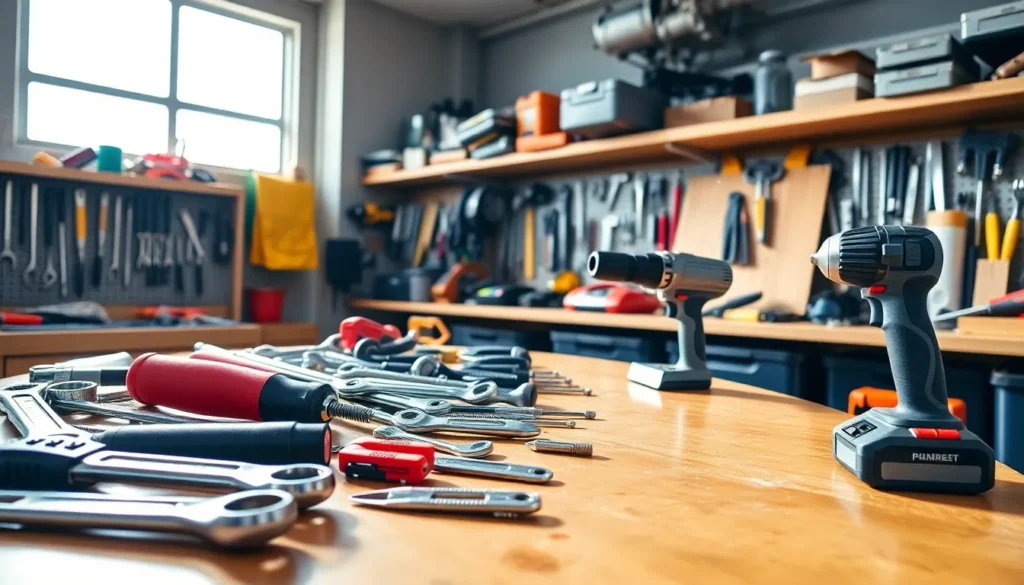
Ever walked into a mechanical workshop and thought it looked like a playground for adults? With all those shiny gadgets and tools just waiting to be used, it’s practically a paradise for anyone who loves working with their hands. But where do you start? Whether you’re setting up your own workshop or just looking to upgrade the tools you already have, knowing what to invest in can make all the difference. Let’s immerse and explore the essential tools that every workshop should have, along with tips for using them like a pro.
Essential Hand Tools for Every Workshop
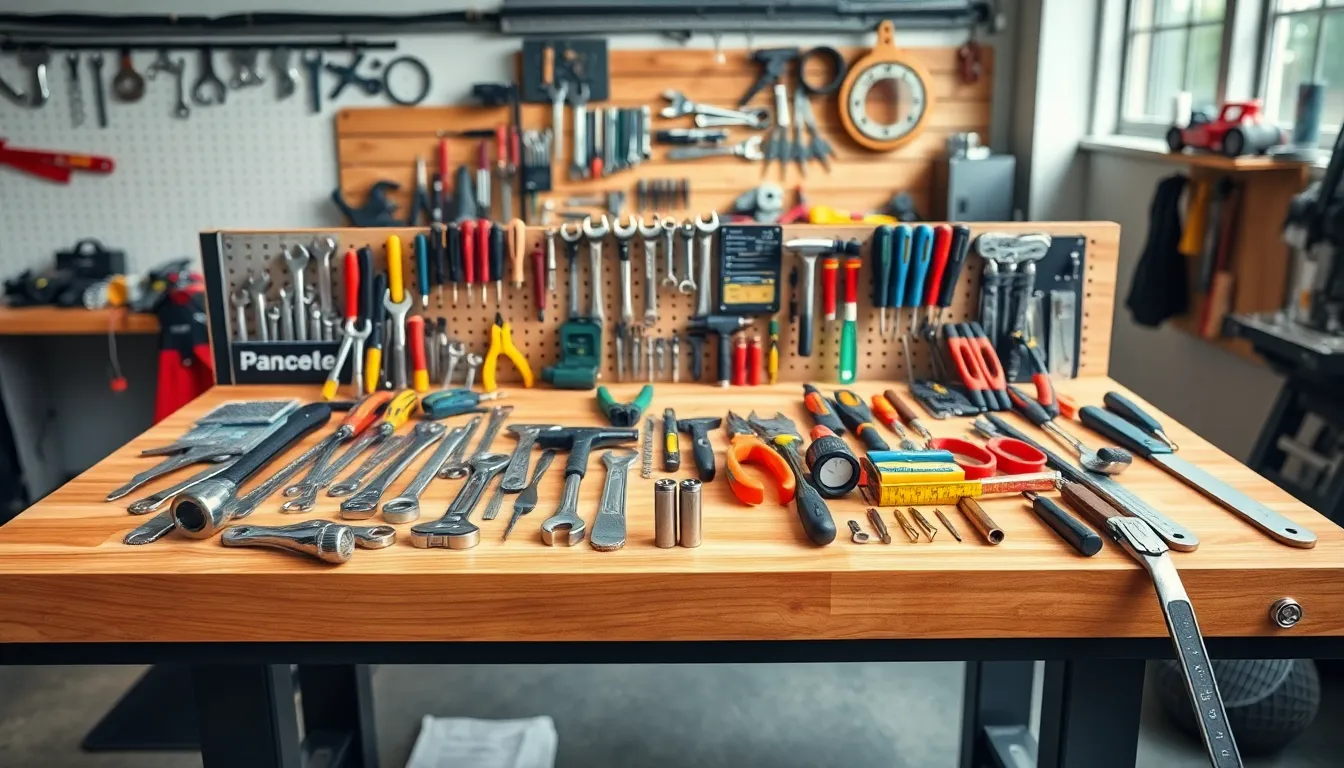
Every good workshop begins with a solid set of hand tools. They’re the backbone of any mechanical project and cover a wide range of tasks. Here are some essentials that every workshop needs:
Wrenches
These come in various sizes and types, from adjustable to socket wrenches. Wrenches are crucial for loosening or tightening bolts and nuts, making them indispensable for mechanical work.
Screwdrivers
Every mechanic needs a trusty set of screwdrivers. Flathead, Phillips, and Torx are the most commonly used types. A variety of sizes will ensure that you can tackle any project, from a simple screw replacement to more complex machinery work.
Pliers
Whether it’s gripping, twisting, or cutting wire, pliers come in handy for a multitude of tasks. Needle-nose pliers are especially useful for those hard-to-reach places.
Hammers
A solid hammer is vital for any workshop. It’s not just about driving nails: hammers are essential for applying force to a comparison of materials and for demolition tasks.
Measuring Tools
A successful project hinges on precise measurements. Tape measures, calipers, and squares help ensure accuracy, making them essential tools for any mechanic.
Power Tools That Increase Efficiency
While hand tools are important, power tools are the real game changers in a workshop. They not only boost efficiency but also cut down on time and physical strain. Here’s a rundown of must-have power tools:
Drills
Cordless drills are the superheroes of the workshop. They allow for quick and efficient drilling in a variety of materials. Plus, with interchangeable bits, they can also act as screwdrivers, saving both time and space.
Saws
From circular saws to jigsaws, having the right saw for your projects is crucial. Each type has its unique uses, whether it’s for cutting wood, metal, or plastic.
Sanders
A good sander smooths out surfaces, preparing them for painting or finishing. Orbital sanders are particularly versatile and easy to use, making them essential for any workshop.
Impact Wrenches
For those heavy-duty tasks, impact wrenches save time and effort. They deliver high torque output, perfect for loosening stubborn bolts or nuts that wouldn’t budge with a regular wrench.
Specialized Tools for Specific Tasks
While general hand and power tools are essential, specialized tools address unique tasks. If he’s diving into specific jobs, these tools could be the difference between a simple fix and a major headache:
Torque Wrenches
Used primarily in automotive repair, torque wrenches tighten bolts to specific settings. This prevents damage and ensures safety in mechanical work.
Engine Hoist
An engine hoist makes removing or replacing engines easier and safer. It’s a necessity in any workshop that deals with cars or complex machinery.
Diagnostic Tools
From OBD-II scanners to multimeters, diagnostic tools help identify issues within various machines. They provide insight that’s crucial for repairs, especially in automotive work.
Maintenance and Care of Workshop Tools
Proper maintenance of workshop tools extends their lifespan and ensures they perform at their best. Here are some tips for keeping tools in top shape:
Cleaning
Regularly cleaning tools prevents rust and build-up. A quick wipe down can make a big difference, especially for hand tools that come into contact with grime.
Lubrication
Keep moving parts well-lubricated to prevent wear and tear. This simple step can also reduce friction, making tools more efficient.
Inspecting
Regular inspections can catch issues before they turn into costly repairs. Check for loose bits, signs of damage, and general wear and tear.
Safety Equipment and Best Practices
Safety should always be a priority in any workshop. Equipping the workspace with proper safety gear makes all the difference:
Eye Protection
Safety goggles protect eyes from debris and dust. They’re essential whenever power tools are in use.
Hearing Protection
Many power tools can produce damaging noise levels. Earplugs or earmuffs ensure hearing safety during prolonged use.
Gloves
Using gloves protects hands from sharp edges and harmful substances. Ensure they fit well to maintain dexterity while working.
Choosing the Right Tools for Your Needs
Selecting the right tools can be daunting but focusing on specific needs simplifies the process:
Identify Your Projects
Consider what projects you plan to tackle. This will help in selecting essential tools that fit your specific requirements.
Budgeting
Establish a budget before making purchases. Investing in high-quality tools upfront can save money in the long run by reducing repairs and replacements.
Research and Reviews
Before buying, look for reviews and comparisons. User insights can be invaluable in ensuring you’re making sound decisions.