Table of Contents
ToggleHousekeeping might not sound like the most thrilling topic, but it’s the secret ingredient to a happy home. Imagine walking into a space that sparkles, smells fresh, and feels like a warm hug. It’s not just about dusting and vacuuming; it’s about creating an environment that energizes and inspires.
Understanding Housekeeping
Housekeeping involves a range of tasks aimed at maintaining cleanliness and organization in a living space. These tasks ensure that homes provide comfort and functionality.
Definition of Housekeeping
Housekeeping refers to the daily activities that promote a clean environment. Tasks include cleaning, organizing, and maintaining furniture and fixtures. It also encompasses laundry, dishwashing, and waste disposal. Proper housekeeping creates a hygienic space for individuals and families. In hospitality, the term extends to the management of accommodations to ensure guest satisfaction.
Importance of Housekeeping
Housekeeping plays a vital role in enhancing the quality of life. A clean home eliminates allergens, pests, and harmful bacteria. Regular maintenance reduces stress and creates a sense of order. Guests feel more comfortable in well-kept spaces, which enhances hospitality standards. Additionally, good housekeeping improves property value through maintained aesthetics and functionality. Cultivating a cleaning routine fosters accountability and promotes healthy living habits.
Types of Housekeeping
Housekeeping encompasses various specialized practices. Two primary types distinguish the scope of housekeeping: domestic and commercial.
Domestic Housekeeping
Domestic housekeeping involves maintaining cleanliness and organization in residential spaces. Tasks include regular cleaning, laundry, and meal preparation. Individuals engaged in this type of housekeeping may also handle grocery shopping and home organization. The focus remains on creating a comfortable and functional home environment. Personal spaces like bedrooms, kitchens, and living rooms receive attention to detail. Ensuring these areas are tidy and welcoming enhances overall well-being for residents.
Commercial Housekeeping
Commercial housekeeping refers to maintaining cleanliness in business environments. Common settings include hotels, offices, and restaurants. Staff members responsible for this type of housekeeping perform tasks such as deep cleaning, sanitizing surfaces, and managing waste disposal. Emphasis lies on creating a professional atmosphere that leaves a positive impression on clients and visitors. Safety and hygiene standards are crucial in commercial spaces to ensure compliance with health regulations. Effectiveness in this area impacts customer satisfaction and improves business reputation.
Key Responsibilities of Housekeeping
Housekeeping involves a variety of essential tasks aimed at maintaining a clean and organized living environment. These responsibilities create a pleasant atmosphere for everyone.
Cleaning Tasks
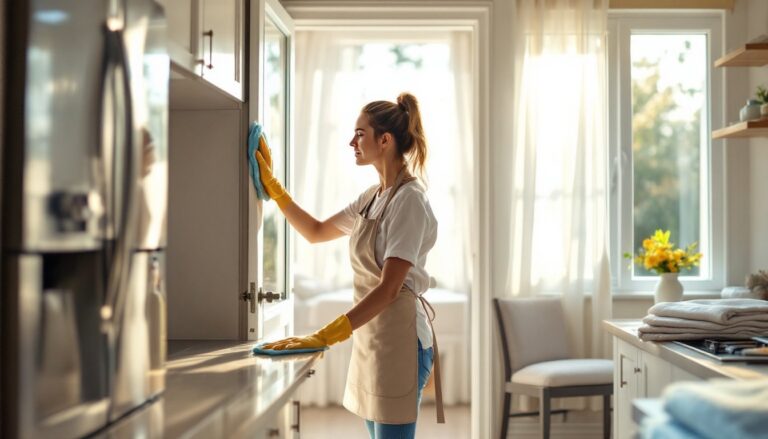
Daily cleaning tasks encompass dusting, vacuuming, mopping, and sanitizing surfaces. Regularly emptying trash bins and cleaning bathrooms is crucial for hygiene. Bedrooms require attention, including changing linens and organizing belongings. Each of these actions contributes to a tidy home that promotes well-being. Specialized cleaning for areas such as kitchens and living rooms focuses on eliminating allergens and maintaining a welcoming environment.
Maintenance Duties
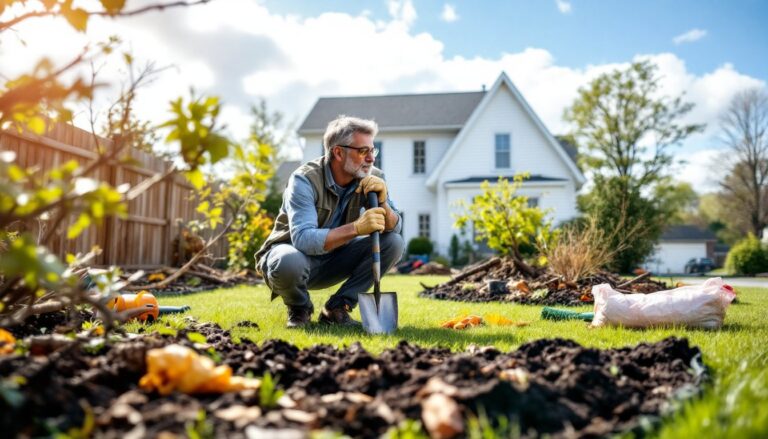
Routine maintenance duties include checking appliances for functionality and maintaining cleanliness within the home. Regular inspections of plumbing and electrical systems prevent potential issues. Seasonal tasks such as gutter cleaning and HVAC filter changes protect property value and ensure comfort. Gardens and outdoor spaces also require upkeep, which contributes to the overall aesthetic of the property. These tasks help in preserving the home’s integrity and enhancing its appeal.
Inventory Management
Inventory management involves tracking cleaning supplies, linens, and household items. Keeping an organized inventory ensures that all necessary items are readily available. Regularly assessing stock levels prevents unexpected shortages during essential cleaning or maintenance periods. Centralized storage for cleaning supplies enhances efficiency and reduces time spent searching for items. This systematic approach to managing household inventory fosters a well-run home environment.
Best Practices for Effective Housekeeping
Effective housekeeping leads to a more organized and pleasant living space. Utilizing best practices enhances cleanliness and promotes overall well-being.
Time Management Techniques
Prioritizing tasks proves essential for efficient housekeeping. Creating a cleaning schedule helps allocate specific days for tasks like vacuuming, dusting, and laundry. Breaking down large chores into smaller segments makes them more manageable. Setting timers for each task encourages focus and reduces distractions. Establishing routines empowers individuals to tackle housekeeping tasks systematically. Implementing concise checklists ensures that nothing gets overlooked. Regularly reviewing and adjusting the schedule keeps the household on track.
Sustainable Cleaning Solutions
Choosing eco-friendly cleaning products benefits both health and the environment. Opting for items made from natural ingredients reduces exposure to harmful chemicals. Homemade solutions, such as vinegar and baking soda, effectively tackle common messes. Using reusable cleaning cloths minimizes waste and saves money over time. Supporting brands that prioritize sustainable practices fosters a healthier planet. Educating family members about these products promotes responsible cleaning habits. Incorporating plants in cleaning routines adds an aesthetic touch while improving air quality.
Housekeeping plays a vital role in shaping a harmonious living environment. By prioritizing cleanliness and organization, individuals can create spaces that not only look good but also feel welcoming and comfortable. The benefits of effective housekeeping extend beyond aesthetics; they contribute to overall well-being and promote healthy habits.
Implementing best practices and sustainable solutions can make housekeeping more manageable and enjoyable. A well-maintained home fosters accountability and enhances hospitality, making it a pleasant place for both residents and guests. Embracing the principles of effective housekeeping ultimately leads to a happier and healthier lifestyle.