Table of Contents
ToggleIn a world where gym memberships can feel more like a financial commitment than a fitness solution, home training tools have stepped up to save the day. Imagine transforming your living room into a personal gym without needing to dodge sweaty strangers or awkwardly figure out how to use that perplexing machine. With the right tools, getting fit at home can be both effective and fun.
From resistance bands that could double as a slingshot in a pinch to yoga mats that scream “I’m zen,” the options are endless. Home training tools not only make workouts accessible but also add a splash of creativity to the mundane routine. So, whether you’re a seasoned athlete or just looking to chase away those quarantine snacks, let’s dive into the must-have gadgets that’ll turn your home into a fitness paradise.
Overview of Home Training Tools
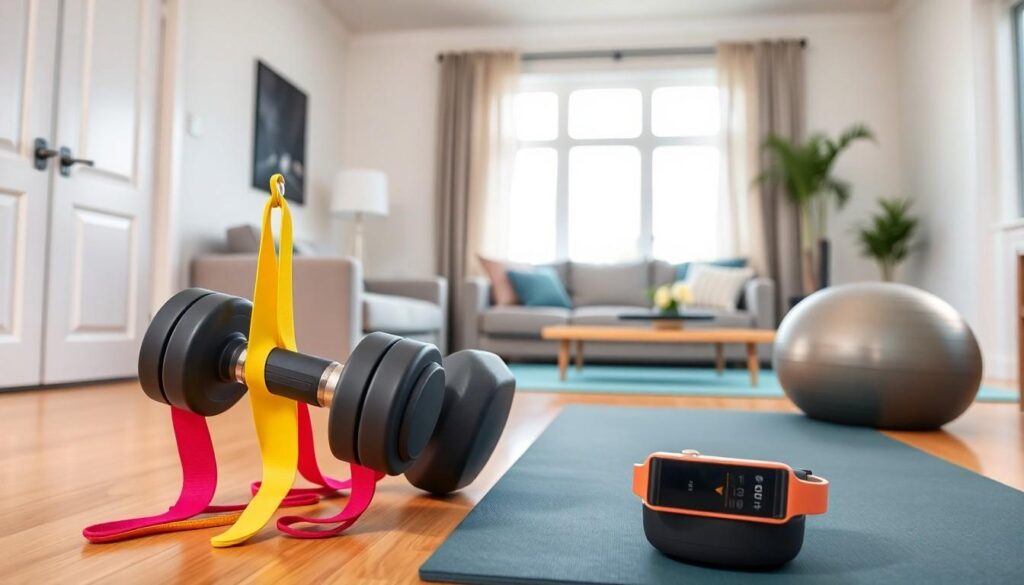
Home training tools offer diverse options for enhancing fitness routines without the need for a gym. Resistance bands provide flexibility in various workouts, targeting multiple muscle groups effectively. Dumbbells enable strength training at any skill level, allowing for progression and adaptation over time.
Yoga mats create a dedicated space for stretching, yoga, and mat-based exercises, contributing to comfort and stability. Stability balls engage core muscles while offering a dynamic element to workouts, making exercises more challenging and engaging.
Kettlebells serve as versatile weights, facilitating a range of movements, from swings to presses. Foam rollers assist in muscle recovery, promoting improved flexibility and reducing soreness. Jump ropes enhance cardiovascular fitness, incorporating a fun element to routines that can be easily stored when not in use.
Fitness apps can guide users through workouts, providing structure and variety to home training. Wearable fitness trackers allow individuals to monitor their progress, ensuring they stay accountable to their goals.
Compact home gyms enable a full-body workout with minimal space, catering to those with limited room. Finally, medicine balls add an element of functional training, helping users build strength while engaging their core during dynamic movements.
Investing in these tools supports a personalized workout experience, fostering consistency and effectiveness in achieving fitness goals.
Benefits of Home Training Tools
Home training tools present valuable advantages for fitness enthusiasts seeking convenience and effectiveness in their routines. These tools transform any space into a personal gym, making it easy to stay committed to fitness goals.
Convenience and Flexibility
Convenience stands out as a key benefit of home training tools. Individuals can choose workout times that fit their schedules, eliminating travel time to a gym. Flexibility allows them to mix workouts, utilizing different equipment like resistance bands and kettlebells. At home, they can quickly switch between routines without interruptions. Working out in a familiar environment often leads to increased comfort, resulting in better performance. Moreover, many tools, including yoga mats and jump ropes, require minimal space, making fitness accessible to everyone, regardless of living arrangements.
Cost-Effectiveness
Cost-effectiveness represents another significant advantage of home training tools. Investing in equipment reduces long-term expenses associated with gym memberships. Many quality gadgets, such as dumbbells and stability balls, remain affordable and durable, offering various workout options. Budget-conscious individuals appreciate that they can perform diverse workouts without ongoing monthly fees. Fitness apps often provide structured guidance for free or at a low cost, making it easier to stay on track. Overall, home training tools set up an efficient workout routine without breaking the bank.
Types of Home Training Tools
Home training tools enhance workouts without the constraints of a gym. Various categories of tools improve exercise efficiency, making fitness accessible to everyone.
Fitness Equipment
Dumbbells, resistance bands, and kettlebells serve as fundamental fitness equipment. Dumbbells offer versatility, allowing users to perform various strength exercises. Resistance bands provide ample resistance while being lightweight and portable. Kettlebells, recognized for their dynamic movements, engage multiple muscle groups simultaneously. Stability balls enhance core workouts, while jump ropes add an engaging cardiovascular element. Functional training often incorporates medicine balls, promoting strength and coordination. The selection of fitness equipment encourages creativity and adaptability in home workouts.
Online Training Programs
Online training programs deliver structured fitness routines designed for various skill levels. Many platforms offer instructional videos and workout plans tailored to individual goals. Programs might focus on specific areas like strength, flexibility, or endurance. Accessibility to trainers through these platforms provides guidance and motivation, essential for maintaining consistency. Some online platforms even feature community support, fostering accountability among users. Participants find that these programs often include progress tracking, enabling them to monitor improvements over time.
Mobile Apps
Mobile apps bring fitness routines directly to users’ smartphones. These applications offer a wide range of features, including workout tracking, guided sessions, and exercise libraries. Some apps allow for customizable workout plans tailored to individual preferences and availability. Integration with wearable fitness trackers enhances progress monitoring and provides real-time feedback. Engaging features such as video tutorials and social sharing options motivate users to stay committed. Whether for beginners or seasoned athletes, mobile apps provide valuable resources for effective home training.
Tips for Selecting the Right Home Training Tools
Choosing the best home training tools involves understanding individual needs and living space dynamics.
Assessing Your Goals
Identify fitness objectives prior to selecting tools. Specific goals might include building strength, improving flexibility, or boosting endurance. Prioritize tools that align with these aims, whether through resistance bands for strength workouts or yoga mats for flexibility routines. Consider current fitness levels and how tools can facilitate growth over time. Tools that accommodate progressions, such as adjustable dumbbells, enhance workout versatility. Furthermore, choosing items like kettlebells may support multiple fitness goals simultaneously through diverse exercises.
Space Considerations
Evaluate available space before purchasing equipment. Compact options like resistance bands and jump ropes fit easily into any area. Measure room dimensions to ensure selected tools allow for movement and proper exercise form. If space is limited, consider multi-functional equipment, such as stability balls, which serve both as weights and workout benches. Wall-mounted items, like resistance bands, can maximize floor space while offering versatile workout options. Ensuring accessibility for workouts encourages consistency in home training routines.
Home training tools offer a flexible and cost-effective way to achieve fitness goals without the constraints of a gym. By transforming personal spaces into workout zones, individuals can enjoy tailored routines that fit their lifestyles. The variety of available gadgets ensures that everyone can find something that suits their needs, whether it’s strength training, flexibility, or cardio.
Investing in these tools not only enhances workout creativity but also promotes consistency. With the right equipment and resources, anyone can embark on a rewarding fitness journey from the comfort of their home. Embracing home training tools paves the way for a healthier lifestyle that adapts to individual preferences and schedules.