Table of Contents
ToggleMost people brush twice a day, but everyday brushing doesn’t remove tartar buildup, plaque below the gum line, or the stubborn stains that accumulate over time. Deep cleaning for teeth, also called scaling and root planing, is a professional procedure that removes these deposits and addresses early gum disease. But, with the right tools, products, and knowledge, you can tackle significant at-home deep cleaning to supplement professional care or maintain results between dental visits. This guide walks you through what deep cleaning actually involves, when you need it, and how to do it safely and effectively at home.
Key Takeaways
- Deep cleaning teeth involves scaling and root planing to remove tartar, plaque below the gum line, and stains that regular brushing cannot eliminate.
- Signs you need deep cleaning include bleeding gums, persistent bad breath, visible tartar buildup, and swollen or receding gums—catching these early prevents gingivitis and periodontitis.
- At-home deep cleaning with quality tools like electric toothbrushes, water flossers, and ultrasonic scalers can effectively maintain gum health between professional visits, but professional care remains the gold standard for moderate to severe gum disease.
- Follow a safe at-home deep cleaning routine: salt water rinse, electric brushing at 45 degrees, water flossing, ultrasonic scaling, antiseptic mouthwash, and fluoride treatment—performed twice weekly for 2–3 weeks, then weekly.
- Maintain results by brushing twice daily with tartar-control toothpaste, flossing daily, limiting sugary and acidic foods, staying hydrated, and scheduling professional cleanings every 6 months.
- If symptoms like bleeding gums or heavy tartar don’t improve within 3 weeks of at-home efforts, consult a dentist to prevent expensive and invasive gum disease treatments.
What Is Deep Cleaning for Teeth?
Deep cleaning is a therapeutic dental procedure that goes beyond standard brushing and flossing. Professional deep cleaning typically involves two steps: scaling (removing tartar and plaque from tooth surfaces and below the gum line) and root planing (smoothing the tooth root to prevent bacteria from reattaching).
At home, you won’t replicate the ultrasonic scalers or hand instruments a hygienist uses, but you can achieve meaningful tartar removal and gum health improvement with quality tools. The goal is to disrupt plaque biofilm, eliminate surface tartar, and reduce inflammation that leads to bleeding gums and gum disease. Think of it as preventive maintenance, catching problems before they require a full professional scaling.
Why Your Teeth May Need Deep Cleaning
Several signs indicate you need deep cleaning: bleeding gums when you brush or floss, persistent bad breath, visible tartar buildup (yellow or brown deposits near the gum line), and gums that are swollen, tender, or receding. Smokers, people with diabetes, and those who skip regular brushing accumulate plaque faster and are at higher risk for gum disease.
Tartar forms when plaque (a sticky film of bacteria) hardens on teeth, usually in areas you miss during normal brushing, especially along the gum line and between teeth. Once tartar appears, regular brushing alone won’t remove it: you need mechanical scrubbing or professional intervention. Untreated buildup leads to gingivitis (gum inflammation) and, if left unchecked, periodontitis (bone loss and tooth mobility). Catching it early with at-home deep cleaning can halt progression and improve gum health significantly.
Professional Deep Cleaning vs. At-Home Methods
Professional deep cleaning is the gold standard. A dental hygienist uses ultrasonic scalers (which vibrate at high frequency to break up tartar) and hand instruments to access areas under the gum line that your tools at home cannot safely reach. They can also apply antimicrobial rinses, fluoride treatments, and address sensitive root surfaces exposed by gum recession.
At-home deep cleaning is effective for maintaining gum health and removing surface and early subgingival (below the gum line) tartar, but it has limits. You cannot safely probe deeply under swollen gums without risk of damage, and you lack the suction, lighting, and precision of professional equipment. The honest take: at-home methods work best as maintenance between professional cleanings or for early-stage buildup. If you have moderate to severe gum disease, abscess risk, or heavy tartar, see a dentist. Many insurance plans or dental schools offer affordable professional cleanings, so don’t skip professional care to save money on tools.
Tools and Products for Effective At-Home Deep Cleaning
Invest in quality tools, cheap versions won’t deliver results and risk damaging enamel or gums.
Electric toothbrushes with oscillating or sonic action (vibrations of 20,000–40,000 Hz) disrupt plaque more effectively than manual brushes. Models like the Oral-B Genius or Sonicare DiamondClean are proven to reduce plaque and bleeding in clinical studies.
Water flossers (also called oral irrigators) use a pressurized water stream to flush debris and bacteria from between teeth and under the gum line. The Waterpik Aquarius or Panasonic Doltz are reliable, though all brands work similarly, consistency matters more than the brand.
Ultrasonic scalers for home use (like the VONE Ultrasonic Tartar Remover or Ionickles) are gentler than professional models but can remove light tartar and stains. Use these cautiously: aggressive use risks gum injury or enamel abrasion. Always follow the manual and never force the tool.
Tartar-control toothpaste with zinc citrate or pyrophosphates (e.g., Crest Pro-Health, Sensodyne Tartar Control) helps prevent new tartar formation and reduces existing deposits when paired with mechanical cleaning.
Do not use metal dental picks or DIY scaling tools unless you’re trained. You’ll cut gums, cause infection, or damage enamel. The goal is thorough, not aggressive.
Step-by-Step Guide to Deep Cleaning Your Teeth
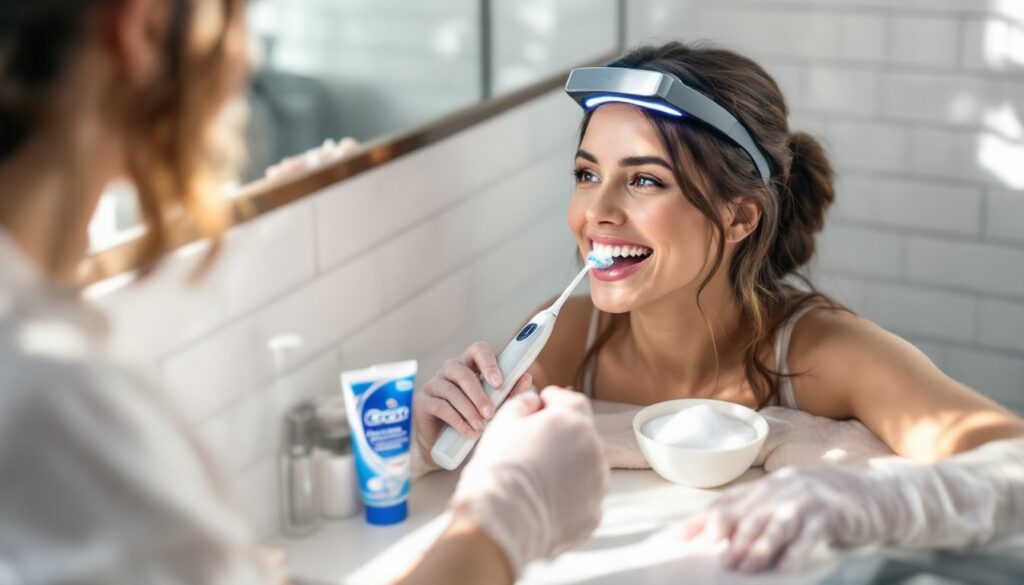
Safety first: Wear latex-free gloves and use a headlamp or phone flashlight so you can see what you’re doing. If you have any gum sensitivity, receding gums, or suspected gum disease, consult your dentist before starting.
1. Prep your mouth. Rinse with warm salt water (1 teaspoon salt in 8 ounces water) for 30 seconds to soften gums and reduce bacteria. This isn’t magic, but it reduces inflammation and preps soft tissue for cleaning.
2. Brush thoroughly with an electric toothbrush. Angle the brush at 45 degrees toward the gum line and use gentle pressure, let the vibration do the work. Spend 2–3 seconds on each tooth surface (outer, inner, chewing surface). Aggressive brushing doesn’t clean better: it damages gums and enamel.
3. Floss or use a water flosser. Floss physically removes food and plaque between teeth where brushes can’t reach. If using a water flosser, fill the reservoir, set it to low or medium pressure, and direct the stream along the gum line at a 45-degree angle. Pause for 2–3 seconds between each tooth.
4. Use an ultrasonic scaler (if you have one). Follow the device manual exactly. Most units have settings for plaque vs. tartar removal. Work slowly along the gum line, let the vibration work, and never force the tip. Spend 5–10 seconds per tooth surface. If you feel pain, stop immediately, you’re applying too much pressure.
5. Rinse with antiseptic mouthwash. Use a hydrogen peroxide–based rinse (like Hydrogen Peroxide Oral Rinse 1.5%) or chlorhexidine rinse (prescribed by your dentist for gum disease). Swish for 30 seconds, then rinse with water.
6. Apply fluoride treatment. Use a fluoride gel or rinse (prescription or over-the-counter) to strengthen enamel and reduce sensitivity. Leave it on for 1 minute, then spit (do not swallow).
Do this routine twice weekly for the first 2–3 weeks, then once weekly for maintenance. More frequent cleaning won’t improve results and may irritate gums.
Maintenance Tips to Extend the Results
Once you’ve deep cleaned, the work isn’t done, maintenance prevents tartar from returning.
Brush twice daily with a tartar-control toothpaste and an electric toothbrush. Consistent daily care prevents plaque from hardening into tartar in the first place. Most people spend 30 seconds brushing: aim for 2 minutes, focusing on the gum line where tartar forms.
Floss or water-floss daily. Tartar accumulates fastest between teeth and below the gum line, areas brushing alone misses. Daily flossing removes plaque before it hardens. If traditional floss frustrates you, a water flosser removes debris just as effectively and is faster for many people.
Limit tartar-promoting foods. Sugary snacks, acidic drinks, and starchy foods feed the bacteria in plaque. Rinse your mouth with water after eating, and wait 30 minutes before brushing if you’ve consumed acidic foods (to avoid enamel erosion).
Stay hydrated. Saliva naturally neutralizes acids and kills bacteria. Dry mouth accelerates plaque and tartar formation. Drink water throughout the day and chew sugar-free gum if needed.
Schedule professional cleanings. Even if you maintain well at home, see your dentist every 6 months (or more frequently if you have a history of gum disease). Professional cleanings remove tartar you’ve missed and catch problems early. Experts at Good Housekeeping recommend professional, and that’s sound advice, at-home care complements but doesn’t replace professional intervention.
Conclusion
Deep cleaning your teeth at home is practical and affordable when done correctly, but it’s not a substitute for professional care. Use the right tools, follow the steps carefully, and be consistent with maintenance. If you struggle with bleeding gums, heavy tartar, or gum recession, or if your at-home efforts don’t improve symptoms within 3 weeks, book a professional cleaning. Catching gum disease early saves you from more invasive and expensive treatments later. With patience and the right approach, you can achieve healthier gums and a cleaner smile.