Welcome to the intriguing realm of workshop tools and equipment. If you’ve ever fumbled around in your garage, surrounded by a chaotic collection of gadgets and gizmos, you know the importance of having the right tools on hand. It’s like trying to bake a cake with only a spoon and some flour. Here, we’ll investigate into the essential tools that can transform your space from a cluttered battlefield into a well-oiled machine, without losing your sense of humor or sanity. Let’s jack up efficiency while having a bit of fun.
Essential Hand Tools
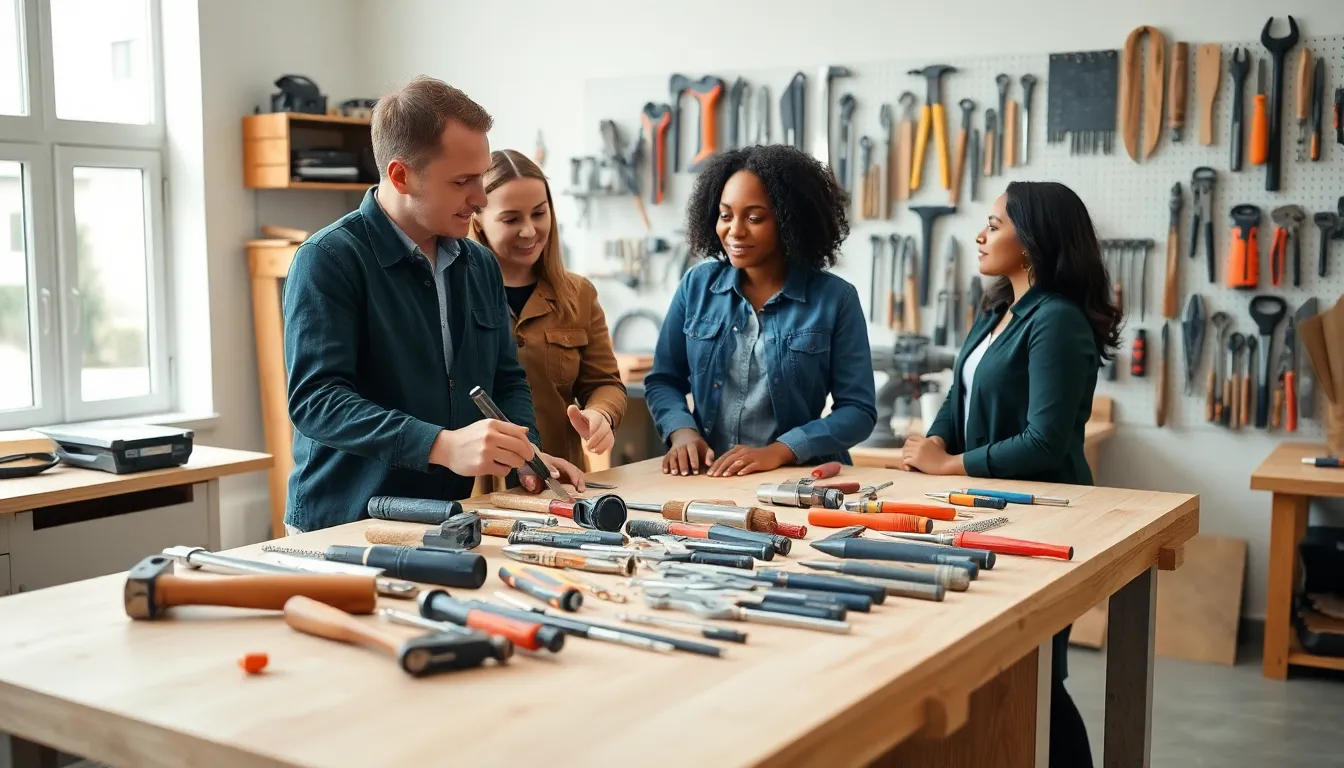
When it comes to completing projects, a solid collection of essential hand tools is like having a trusty sidekick. These tools form the backbone of any workshop, enabling creativity and problem-solving with ease.
Basic Hand Tools
Let’s kick things off with some of the must-haves:
- Hammers: From the classic claw hammer to the versatile rubber mallet, you’ll want a few different types to handle varying tasks.
- Screwdrivers: A good set of screwdrivers, both flat-head and Phillips, is vital for assembling and dismantling projects without losing your cool.
- Pliers: Whether you need to grip, twist, or cut, pliers are like the universal remote of the workshop, indispensable and often underestimated.
Specialized Hand Tools
Now, if you’re feeling a bit adventurous, consider adding some specialized hand tools to your arsenal:
- Chisels: Perfect for woodworkers, chisels come in different sizes and shapes, ready to refine edges or create detailed designs.
- Wire Cutters: They’re essential for electrical work, because who wants to deal with frayed wires?
Tool Maintenance
Remember, even the best tools require some tender loving care. Regularly clean and sharpen them to prolong their lifespan and performance. A well-maintained hand tool not only performs better but also makes your work safer.
Power Tools Overview
If hand tools are reliable sidekicks, power tools are like the superheroes of the workshop. They save time and effort, transforming hours of work into minutes. But, with great power comes great responsibility, so let’s break down the essential power tools every workshop should have.
Drills
Looking for something to drill through your projects like a hot knife through butter? Here’s what you need:
- Corded vs. Cordless: Corded drills offer unlimited power, while cordless drills offer unbeatable convenience. Make your choice based on your typical projects: neither is better, they just serve different purposes.
- Impact Drivers: If you need to drive screws like you mean it, an impact driver is your best friend.
Saws
Cutting through materials requires the right saw, so consider these staples:
- Circular Saws: They’re versatile for cutting wood and other materials with precision.
- Jigsaws: Great for making intricate cuts, jigsaws add creativity to your repertoire without very costly.
Sanders and Grinders
Smooth finishes and sharp edges await with these tools:
- Orbital Sanders: These handy devices help achieve a beautiful, smooth finish on your woodworking projects.
- Angle Grinders: Ideal for cutting and grinding metal, they can really zap away rough edges and imperfections.
Conclusion
Power tools can speed up your workflow significantly, but it’s crucial to follow safety protocols. Make sure to read the manuals, wear appropriate protective gear, and never use power tools while distracted. Your fingers will thank you.
Safety Equipment and Gear
No one ever plans to have an accident, but having the right safety equipment could mean the difference between a minor mishap and a trip to the emergency room. Here’s a quick overview of the gear you won’t want to overlook:
Eye Protection
Always keep safety goggles handy. Whether you’re drilling, cutting, or sanding, proper eye protection is crucial. They keep that errant wood chip or metal fragment from turning your day from productive to panic mode in an instant.
Ear Protection
Loud tools can lead to irreparable damage to your hearing. Consider high-quality earplugs or earmuffs, your future self will appreciate it.
Respirators and Masks
Dust can wreak havoc on your lungs, especially when working with woods, metals, or chemicals. Invest in a good mask that filters out harmful particles, keeping your airways clear.
Work Gloves
Wearing gloves adds a layer of protection against cuts, punctures, or burns. Make sure they fit well, as flapping material can cause just as much trouble as going unprotected.
Proper Attire
Avoid loose clothing that can get snagged in machinery. Sturdy shoes with a firm grip are also a must to prevent slips and falls. Dress smartly for safety, and don’t underestimate the power of a good apron, better to stay clean than be covered in sawdust.
Measuring and Layout Tools
Accurate measurements are the holy grail of any workshop project. Without them, everything might just end up in the land of mismatched angles and uneven cuts. Let’s look at the key measuring and layout tools for success.
Tape Measures
A tape measure is ubiquitous but tremendously important. Ideally, one should have multiple lengths for versatility, accommodating anything from small projects to larger constructions. A magnetic tip can be a neat little feature to assist with one-person measurements.
Layout Tools
- Square: This simple tool is essential for checking angles. Whether it’s framing a wall or crafting fine joints, a reliable square ensures your projects are spot-on.
- Level: No one wants to hang a crooked picture. A level guarantees that surfaces are perfectly horizontal or vertical.
Calipers
For fine measurements, calipers take the guesswork out of precision work. They’re crucial for woodworking and metalworking alike, ensuring that bits fit together perfectly.
Storage Solutions for Tools
A well-organized workshop isn’t just visually pleasing: it’s essential for efficiency as well. When tools are easy to find, projects move faster. Here are some effective storage solutions to keep your space tidy:
Toolboxes
Investing in high-quality toolboxes transforms chaos into order. Options range from portable cases to larger storage chests with drawer systems. Choose based on the number and types of tools you own.
Shelving Units
Adding shelving can maximize vertical space in your workshop. Store large tools up high, while keeping frequently-used tools within arm’s reach. Wood or metal shelves can both provide sturdy support and help maintain organization.
Pegboards
A pegboard can work wonders for visibility. Hang your most-used tools within view, and consider color-coding them for an extra splash of creativity. It’s like your tools are art pieces you get to showcase, all while remaining perfectly functional.
Maintaining Your Workshop Equipment
Maintenance should be a key focus in any workshop. Neglecting tools can lead to less efficiency, and nobody wants to deal with faulty equipment right before a deadline. Here’s how to keep tools in tip-top shape:
Regular Cleaning
Take time after each project to wipe down your tools. Dust and grime can accumulate and affect performance over time. A simple cloth or brush can go a long way in preserving that brand-new shine.
Sharpening and Calibrating
Make it a regular habit to sharpen blades and calibrate tools. Dull tools not only perform poorly but can also be dangerous since the operator may push too hard to make a cut. Take the time to make adjustments: your tools will thank you with longevity and performance.
Annual Check-ups
Consider an annual review of all your equipment. Look for anything needing repairs or replacement. Keeping your workshop in top condition lets it serve you better for years to come.
Choosing the Right Tools for Your Projects
With countless tools available, selecting the right ones can feel overwhelming. But, here are some handy tips to help simplify the decision-making process:
Consider the Project Scope
Each project has specific requirements. Bigger projects may necessitate power tools, while smaller tasks can often be handled with hand tools. Always evaluate before diving in.
Assess Your Skill Level
If you’re just starting, high-end tools might not be necessary. Invest in basic, user-friendly equipment and upgrade after gaining more experience.
Budget Wisely
Quality tools can be an investment, but they don’t have to expensive. Find a balance between quality and cost, looking for promotions during sales events.
Try Before You Buy
When possible, test tools before purchasing. Many local hardware stores allow customers to test drive equipment, making it easier to find a good fit before committing to a purchase.