When diving into the world of electrical work, having the right tools can make all the difference. Picture this: you’re in a workshop, surrounded by wires, circuits, and the sweet sound of tools clicking together. It’s electrifying, literally. Whether you’re a seasoned pro or just starting, equipping yourself with the proper electrical workshop tools is not just smart, it’s essential. From handy hand tools to state-of-the-art power tools, we’ll cover everything you need to illuminate your projects without getting shocked.
Essential Hand Tools for Electrical Work
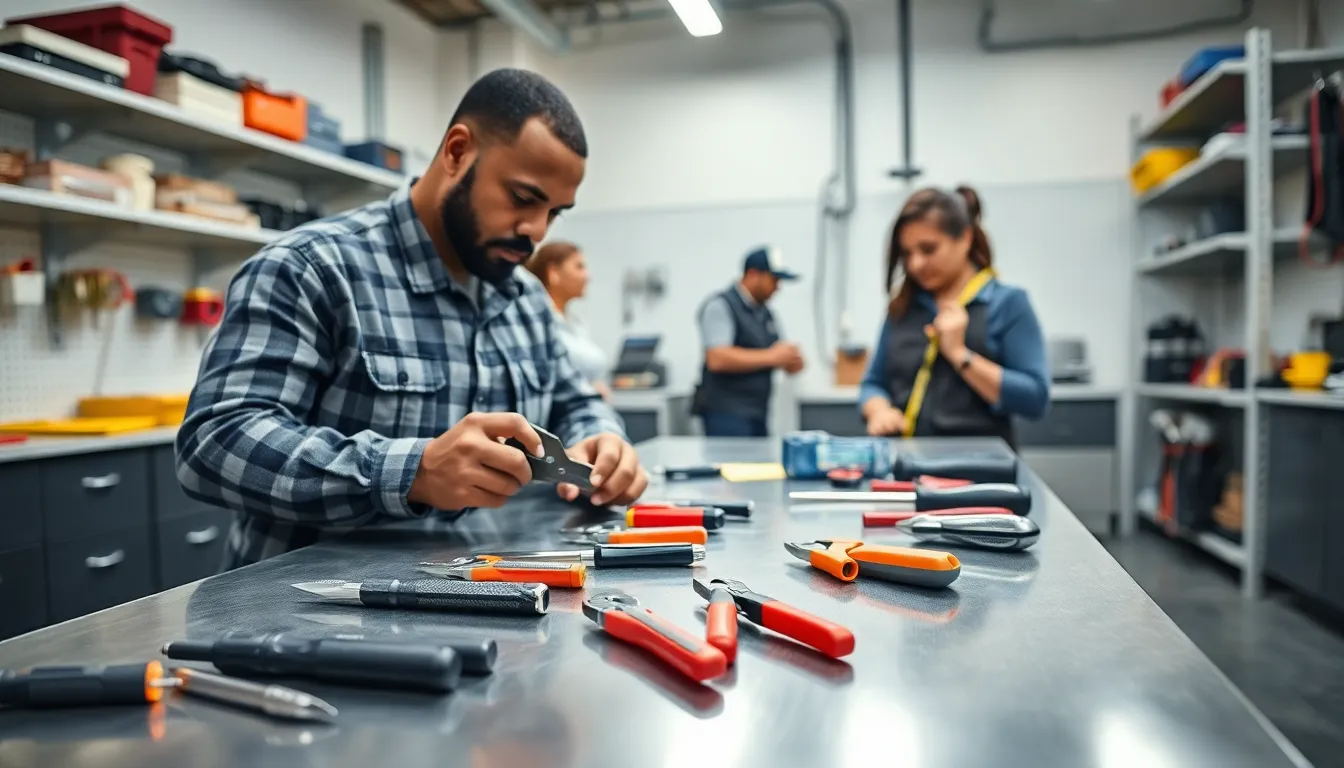
In any electrical workshop, hand tools reign supreme as the backbone of daily tasks. These tools are not only necessary but also versatile, making them vital for anyone working with electricity.
Wire Strippers
Wire strippers are indispensable. They make it easy to remove insulation from wires without damaging the copper inside. A good pair allows for precise stripping, which can save time and ensure a solid electrical connection.
Screwdrivers
No workshop is complete without a solid set of screwdrivers. Both flathead and Phillips-head varieties are essential since they accommodate different types of fasteners found in electrical work. A magnetic tip can be a lifesaver, helping to avoid dropped screws in tight spots.
Pliers
Pliers come in different forms, needle-nose for intricate tasks, lineman’s for gripping and twisting, and crimping pliers for securely attaching connectors. Each type serves a different purpose, ensuring that workers can tackle any electrical project without a hitch.
Utility Knives
A sharp utility knife is necessary for trimming wires, cutting through packaging, or even making quick adjustments on the job. It adds a level of precision and ease that other tools simply can’t match.
Tape Measure
An often overlooked but crucial tool is the tape measure. Accuracy matters in electrical work, whether you’re measuring out cable runs or fitting components into spaces. A 25-foot tape measure usually suffices and can fit easily into a pocket.
Power Tools Used in Electrical Workshops
While hand tools manage the nitty-gritty details, power tools speed things up immensely. They’re the workhorses of electrical shops, and they come in handy for more complex tasks.
Drills
A power drill is one of the most versatile tools available. It’s your best friend when needing to create holes for mounting devices or running wiring. Consider a model with adjustable speed settings for more control. Don’t forget the various drill bits for different materials.
Circular Saws
Circular saws are important for cutting lumber or metal conduits that might be required in an electrical project. A good circular saw eases labor and allows for cleaner cuts, making assemblies quicker and more efficient.
Sanders and Grinders
These tools are helpful when dealing with surfaces that need smoothing or shaping. Sanders provide a perfect finish on surfaces, while grinders are essential for metalwork, particularly in making custom brackets for electrical components.
Impact Wrenches
If the project requires setting or loosening large bolts, an impact wrench can be a game changer. Its high torque eliminates fatigue and speeds up the assembly process, especially when working on outdoor electrical setups like lighting installations.
Safety Gear and Personal Protective Equipment
Safety should always be the top priority in an electrical workshop. No tool is worth risking personal injury over, which is why wearing proper safety gear is non-negotiable.
Insulated Gloves
Insulated gloves protect against electric shock while providing dexterity. They come in various ratings depending on the voltage they can withstand, making it crucial to choose the right pair for the task at hand.
Safety Glasses
When working with power tools, safety glasses are a must to protect the eyes from debris. Whether cutting or drilling, there’s no such thing as being too careful about eye protection.
Hard Hats
In bustling workshops or outdoor settings where debris could fall, wearing a hard hat is smart. They are lightweight yet protective, ensuring workers are ready for anything that might fall from above.
Steel-Toed Boots
These boots are a wise investment. Not only do they protect feet from heavy equipment, but they also offer grip and support. Even if you’re not in the construction zone, these shoes make for great workshop companions.
Measuring and Testing Instruments
Effective electrical work relies heavily on accurate measurements and testing criteria. Hence, investing in high-quality measuring and testing instruments is essential.
Multimeters
Multimeters are the Swiss Army knives of electrical diagnostics, measuring voltage, current, and resistance. They are essential when troubleshooting circuits or ensuring everything is functioning correctly.
Clamp Meters
For anyone measuring current in live circuits without interruption, clamp meters are invaluable. They allow for quick checks without needing to break the connection, making the process smooth and efficient.
Voltage Testers
Helpfully, voltage testers alert workers to the presence of current in a circuit. They’re simple to use and increase safety by ensuring the electrical system is powered off before further work begins.
Probes
These handy tools assist in establishing a connection and testing various circuits. They’re especially useful in tight spaces where other measuring tools might not fit.
Organization and Storage Solutions
Staying organized in an electrical workshop isn’t just about tidiness: it can drastically improve efficiency. Well-designed storage systems save time when looking for tools and minimize workspace clutter.
Toolboxes and Tool Chests
Having a reliable toolbox allows for easy transportation of hand tools. For larger workshops, tool chests with multiple drawers keep tools neatly organized and accessible.
Maintenance and Care for Electrical Tools
Proper maintenance guarantees longevity and reliability of electrical tools. Taking care of equipment should be as integral to a workshop routine as using them.
Regular Cleaning
Dust and debris can accumulate, impeding efficiency. A quick wipe down helps to maintain performance and extends the lifespan of tools.