Table of Contents
ToggleYour drains are the plumbing equivalent of your home’s circulatory system, when they slow down, everything backs up. Most homeowners ignore early warning signs until water’s pooling around their feet or stink is seeping from the pipes. The good news: recognizing the signs you need drain cleaning early can save you from a full-blown plumbing disaster. This guide walks you through five clear indicators that your drains are in trouble, plus practical advice on when to grab a plunger versus when to call a pro. Catching these problems before they escalate keeps your home dry, your pipes healthy, and your wallet fuller.
Key Takeaways
- Slow drains across multiple fixtures and water backup between fixtures are primary signs you need drain cleaning, especially when DIY plunging fails after three attempts.
- Persistent foul odors from drains indicate bacterial buildup and decomposing material that require professional high-pressure jetting if baking soda treatments don’t work.
- Gurgling, bubbling, or whistling sounds from pipes signal air pockets trapped by blockages, and continued noise after plunging means the clog is beyond surface level.
- Multiple clogged fixtures draining simultaneously indicate a main line blockage that requires professional motorized augers or hydro jetting—never DIY this situation.
- Standing water pooling around indoor drains or outdoor cleanout areas suggests severe blockage or pipe damage and demands immediate professional inspection.
- Professional drain cleaning ($200–$600 for motorized clearing) is far more cost-effective than ignoring problems until they require $5,000+ pipe repairs.
Slow Drains and Water Backup
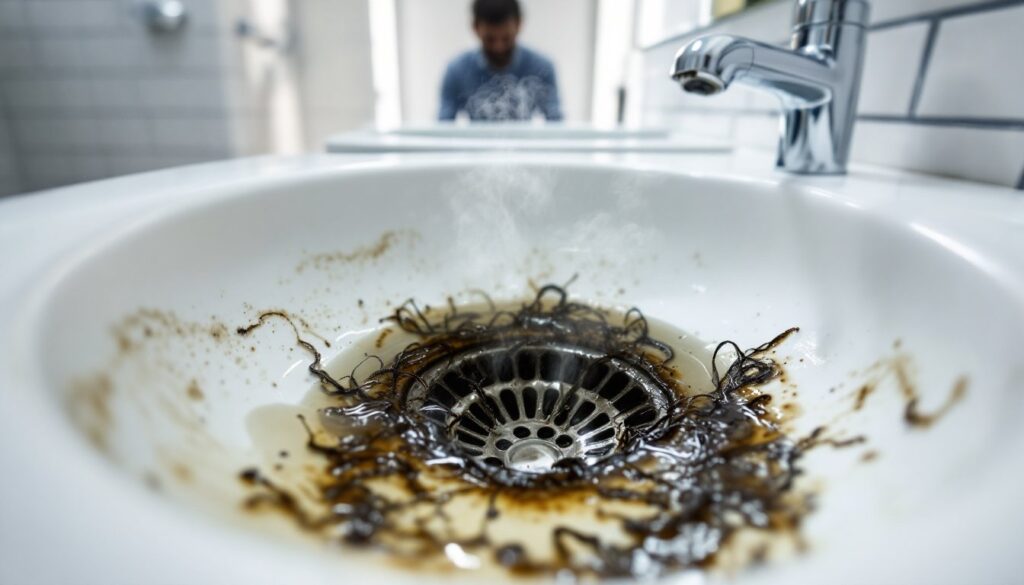
Slow draining water is the most obvious red flag. If your sink takes 10+ seconds to empty after washing dishes, or your shower floor is pooling ankle-deep while you’re still rinsing, you’ve got a flow problem. A single slow drain might just be a trap clogged with food or hair, fixable with a plunger or a $15 drain snake. But when you notice slow drainage across multiple fixtures, kitchen sink, bathroom sinks, showers, tubs, that’s a sign the main line has buildup.
Water backing up is worse. You’ll see water rising in one fixture when another runs: for example, the toilet gurgles when you drain the sink. This indicates a blockage further down the line where branch drains converge. Slow drains left untreated eventually become complete blockages, at which point you’re stuck with standing water and potentially damaged pipes. Check for obvious debris (hair clogs, soap buildup) first, but if plunging or a basic snake doesn’t work, the blockage is likely deeper and may involve grease, mineral deposits, or tree roots if you’re on a sewer line. Professional drain cleaning services use high-pressure water jets or motorized augers to clear buildup that DIY tools can’t reach.
Persistent Foul Odors Coming From Your Drains
A musty, rotten-egg stench wafting from your sink or shower drain isn’t just unpleasant, it’s a sign of bacterial buildup and decomposing material inside your pipes. A brief odor after cleaning is normal, but persistent smells mean organic matter is rotting in your lines. Start with the simple fix: boil a kettle, add a handful of baking soda down the drain, and flush with boiling water. Let it sit for 30 minutes, then run hot water again. This clears minor odors from surface buildup.
If the smell persists after three or four rounds of baking soda treatment, you’ve got accumulated sludge deeper in the pipe that requires professional cleaning. P-traps (the curved section under sinks) can dry out if a drain hasn’t been used in weeks, allowing sewer gases to escape, running water or refilling the trap fixes this. But sewage-like odors throughout your home, especially near multiple drains, suggest biofilm or grease buildup throughout the system. High-pressure jetting clears these deposits and the bacteria living in them. As a preventive measure, run hot water monthly and avoid pouring grease down drains: store bacon fat in a container instead.
Unusual Sounds and Gurgling Noises
Drains should move water silently. When you hear gurgling, bubbling, or whistling sounds coming from your pipes, something’s obstructing normal flow and trapping air. That air pockets create the noise as water pushes past. Gurgling when you run the dishwasher or drain the tub suggests a clog nearby. Gurgling at the toilet when you run the sink means the main line is blocked, forcing air back up through the vent stack.
Other troublesome sounds include a high-pitched whistle (water rushing past a partial blockage) or a deep rumble from the main line. These aren’t just annoying, they indicate pressure buildup that can stress fittings and cause leaks. Run a plunger on the affected fixture first to try dislodging the blockage. If the noise continues, the clog is beyond your reach. Vent stack blockages (leaves or debris in the pipe that exits your roof) are another culprit: signs your drains are clogged often include these acoustic clues. A professional can scope your lines with a camera to pinpoint the exact location of the blockage before breaking out heavy equipment.
Multiple Clogged Fixtures at Once
When one sink is slow, it’s a local clog. When the toilet, sink, and tub all drain slowly or back up simultaneously, you’re dealing with a main line blockage. The main sewer line collects waste from every fixture in your home: if it clogs, nothing drains properly. This is urgent and DIY-unfixable territory.
Main line clogs happen for several reasons: tree roots infiltrating underground pipes (common in homes 25+ years old), grease accumulation from years of cooking, mineral deposits in hard-water areas, or structural damage from settling. A clog that affects the whole house won’t respond to plunging or a standard drain snake. You’ll need a commercial-grade motorized auger or a hydro jet, which only professionals should operate. Knowing when to call a plumber includes recognizing when multiple fixtures fail at once. Waiting here risks sewage backing up into your home, which is a health hazard and far more expensive to fix than immediate professional drainage cleaning.
Standing Water and Pooling Around Drains
Standing water pooling around drains is a clear sign of a clogged or damaged line. You might notice water that doesn’t drain from the shower pan within a few minutes, or puddles forming around floor drains in the basement or crawlspace. This water is a breeding ground for mold and bacteria: don’t ignore it.
Inside the home, standing water in a single sink or tub usually means a trap clog that you can address with a plunger or drain snake. Use a cup-style plunger (not a flange plunger, which is for toilets) and create a tight seal to build pressure. If that doesn’t work, a 25-foot manual snake (auger) is the next step, insert it down the drain, crank the handle to break up the clog, then flush with hot water. For standing water that covers the floor around a drain, the line beneath is likely damaged or severely blocked, requiring professional repair.
Standing water outdoors around the sump pump or main cleanout access is another red flag. This indicates the main line can’t discharge water fast enough, suggesting a blockage or damage to the lateral line running from your home to the municipal sewer. Seven signs you have a clogged drain include pooling water around foundation drains or near the sewer cleanout. A professional can camera-inspect the line, remove blockages, or recommend line repair if there’s damage.
When To Call a Professional vs. DIY Solutions
Know your limits. Simple fixes, a plunger, a drain snake, baking soda and vinegar, or a wet/dry shop vac, work for surface clogs in individual drains. If plunging clears a slow sink in five minutes, you’re done. If your drain is slow after three good attempts or you hear gurgling, move to a 25-foot motorized drain auger (under $75 to rent from Home Depot or Lowes). Motorized snakes are powerful and controlled enough for homeowners but won’t damage pipes like a rigid snake can if you’re careless.
Call a professional immediately if:
• Multiple fixtures drain slowly or back up simultaneously (main line clog).
• Raw sewage is visible in the basement, sump pump, or yard.
• You’ve tried plunging and snaking and the clog returns within a week (sign of a deeper issue).
• You smell sewage everywhere indoors (biofilm or damage to the line).
• Standing water pools around outdoor drains or the main cleanout.
• Your home is 40+ years old and you’ve never had the main line professionally cleaned (preventive jetting is cheap insurance).
Professional drain cleaning costs $200–$600 for a basic motorized auger clear on a main line, or $400–$1,000+ for high-pressure hydro jetting (which flushes grease and mineral deposits). Hydro jetting is preventive maintenance and lasts longer but costs more upfront. If a camera inspection reveals tree roots or pipe damage, expect repair estimates of $3,000–$10,000 depending on the extent and location. Ignoring drain problems is false economy: a $400 cleaning now beats a $5,000 pipe replacement later.
Conclusion
Your drains tell you when they’re in trouble if you’re listening and looking. Slow water, foul smells, strange sounds, multiple clogs, and pooling water are all clear messages that cleaning is needed. Tackle single-fixture slowness with a plunger and snake, but don’t gamble on main line issues or recurring clogs, that’s professional work. Catching these warnings early keeps your plumbing healthy and your home dry, comfortable, and smell-free.